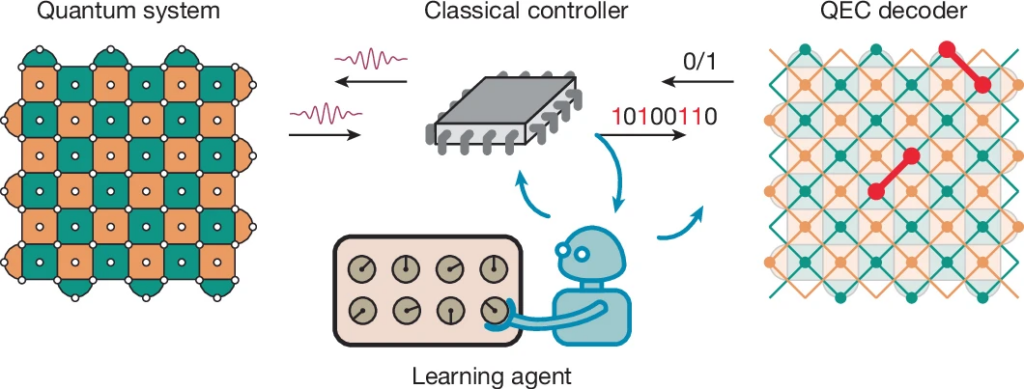
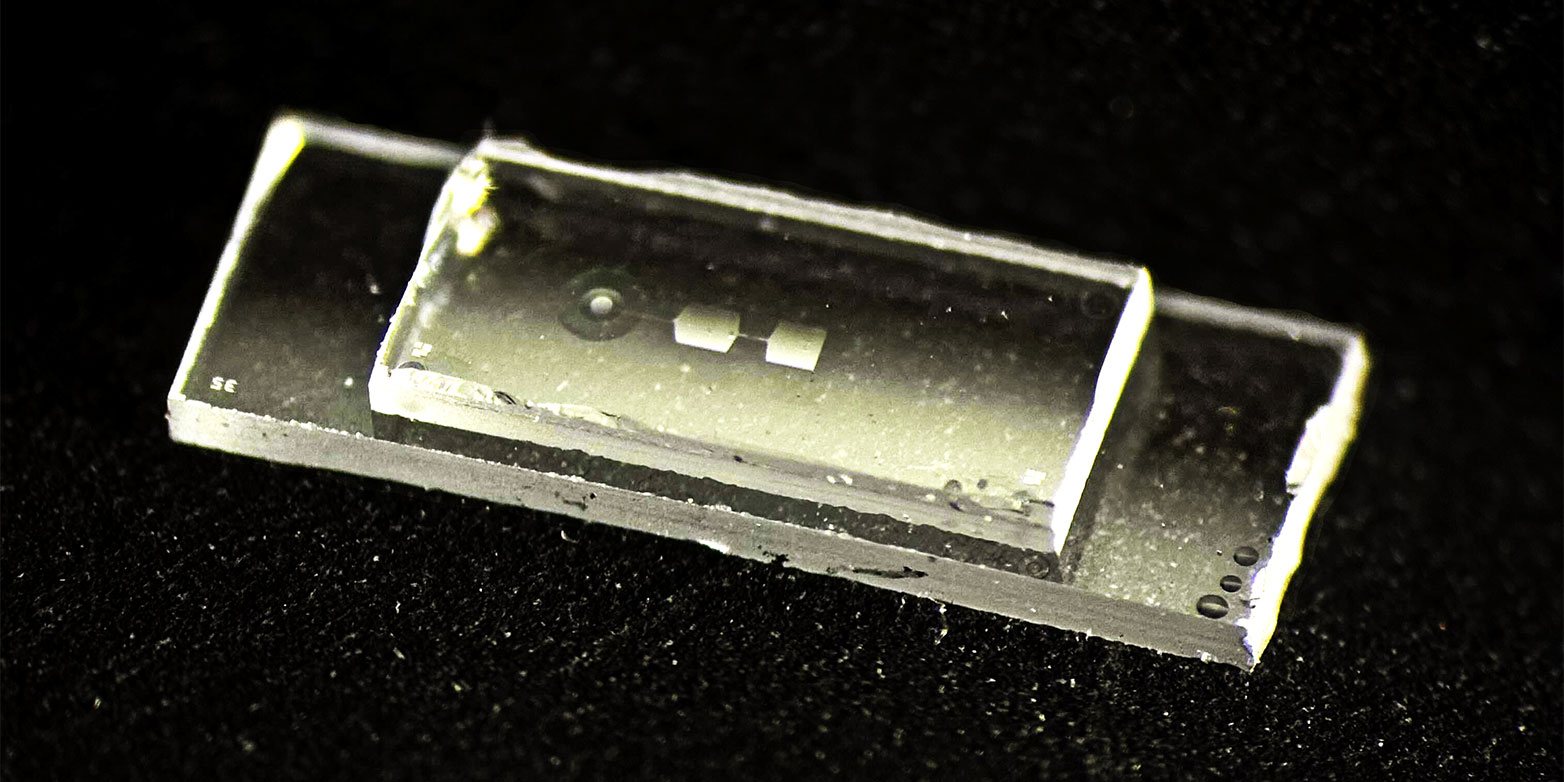
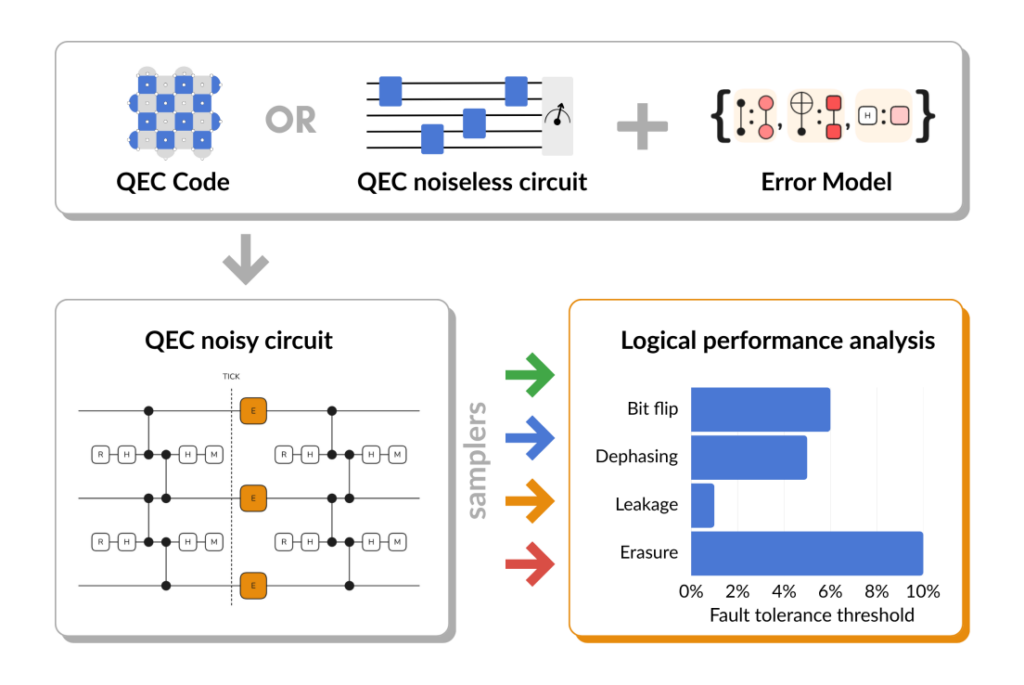
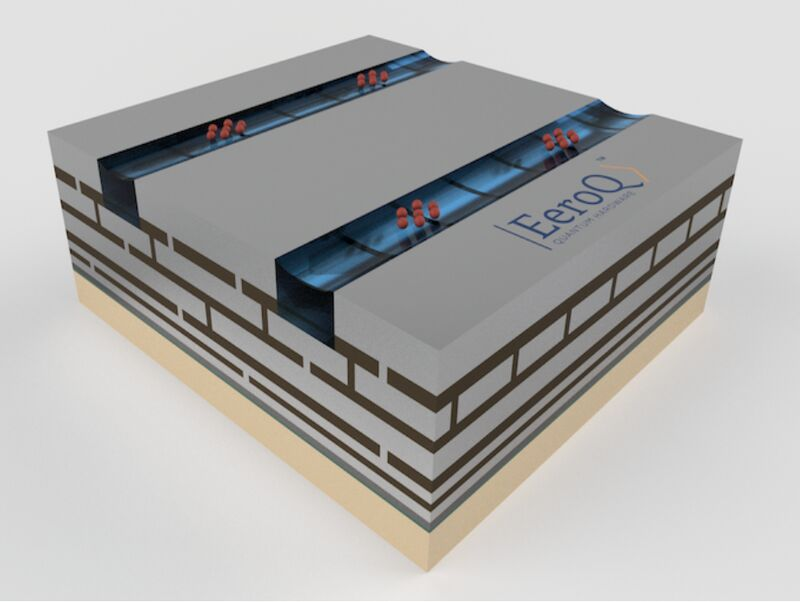
This week’s highlights focus on substantial breakthroughs in hardware architecture innovation and error-correction theory. ETH Zurich’s mechanical resonator architecture introduces classical von Neumann concepts into quantum computing, potentially alleviating the bottleneck between quantum storage and processing. Google’s reinforcement-learning control layer demonstrates the potential of machine learning for real-time optimization of quantum systems, though its generality and scalability require attention. EeroQ’s electron transport verification offers a new path for hybrid superconducting and photonic architectures. In error correction, QC Design’s Plaquette framework and Okada’s LDPC codes advance the practicalization of fault-tolerant quantum computing from the software-tool and code-construction perspectives, respectively. On the industry side, the White House’s large-scale funding commitment and multiple financing rounds indicate that post-quantum cryptography and fault-tolerant systems are becoming focal points for policy and capital, though caution is warranted regarding the gap between hype and actual deployment.