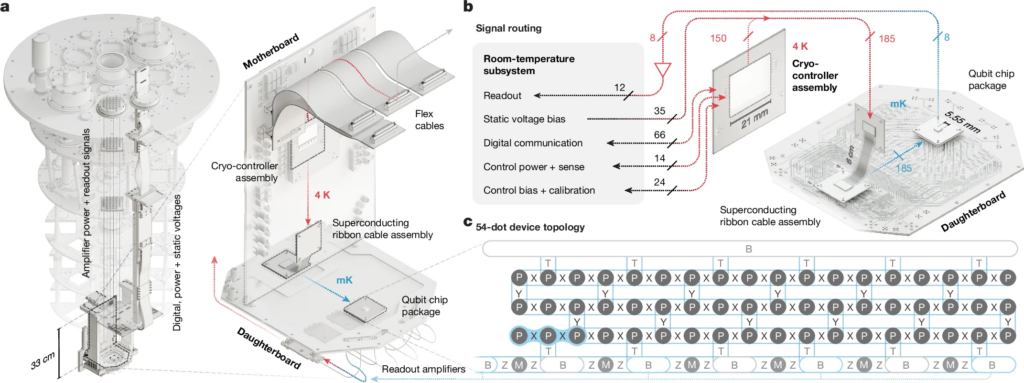
The most striking development this week is HRL Laboratories’ progress on silicon spin qubits, which for the first time integrates cryogenic CMOS control with silicon quantum dots to achieve autonomous quantum operation and error correction. This marks an important step for silicon-based quantum computing from laboratory demonstration toward engineering, because silicon spin qubits have always been known for compatibility with semiconductor processes, yet the complexity of control electronics has been a major obstacle to their scaling. If HRL’s scheme can prove sufficiently high fidelity, it could change the standing of the silicon spin route in the quantum computing race.
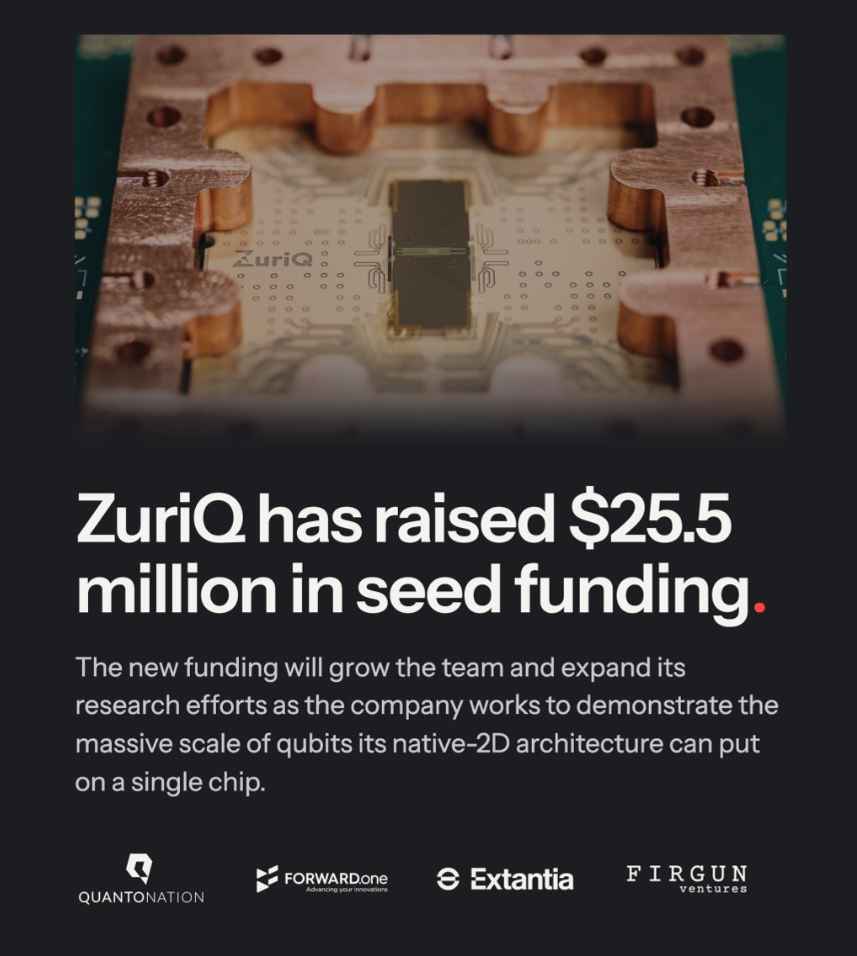
Meanwhile, industry consolidation and investment remain active: IonQ’s acquisition of SkyWater, ZuriQ’s large funding round, and GlobalFoundries’ government funding all indicate that quantum computing is shifting from pure research toward manufacturing and supply-chain construction. However, breakthroughs in hardware metrics still need to be viewed with caution — many advances are still at an early stage and remain years away from practical use.